💬 Catchafire
Catchafire connects skilled volunteers with non-profits, but testimonials were buried deep in the platform, limiting their impact. I redesigned how they’re displayed to make them more visible and engaging, resulting in users completing testimonial-related tasks 83% faster and feeling more confident in volunteer selection.
Problem
Testimonials on Catchafire were difficult to locate, requiring multiple clicks and navigating through scattered pages. Non-profits struggled to quickly evaluate volunteers, while volunteers received limited recognition for their contributions.
This scattered flow makes it hard and frustrating for volunteers to show their impact and for non-profits to quickly see volunteer contributions. With feedback hidden away, it’s easy to miss important stories, which can slow decisions and make it harder to recognise the difference volunteers are making.

Research & Insights
I conducted guerrilla usability tests with volunteers and non-profit representatives to uncover friction points. The research highlighted that:
Testimonials were buried and required too many clicks to access.
Users wanted quick indicators of credibility, such as star ratings.
Volunteers desired recognition for their contributions.
Sorting and filtering would improve navigation for both volunteers and non-profits.
These insights confirmed the opportunity to surface testimonials more prominently and intuitively.
Design Approach
Guided by UX principles such as Jakob’s Law, Hick’s Law, and social proof, I focused on reducing friction and improving trust. The design approach aimed to:
Present testimonials in a familiar and intuitive way.
Reduce clicks to access key information.
Highlight volunteer achievements to improve recognition and credibility.
Proposed Enhancements
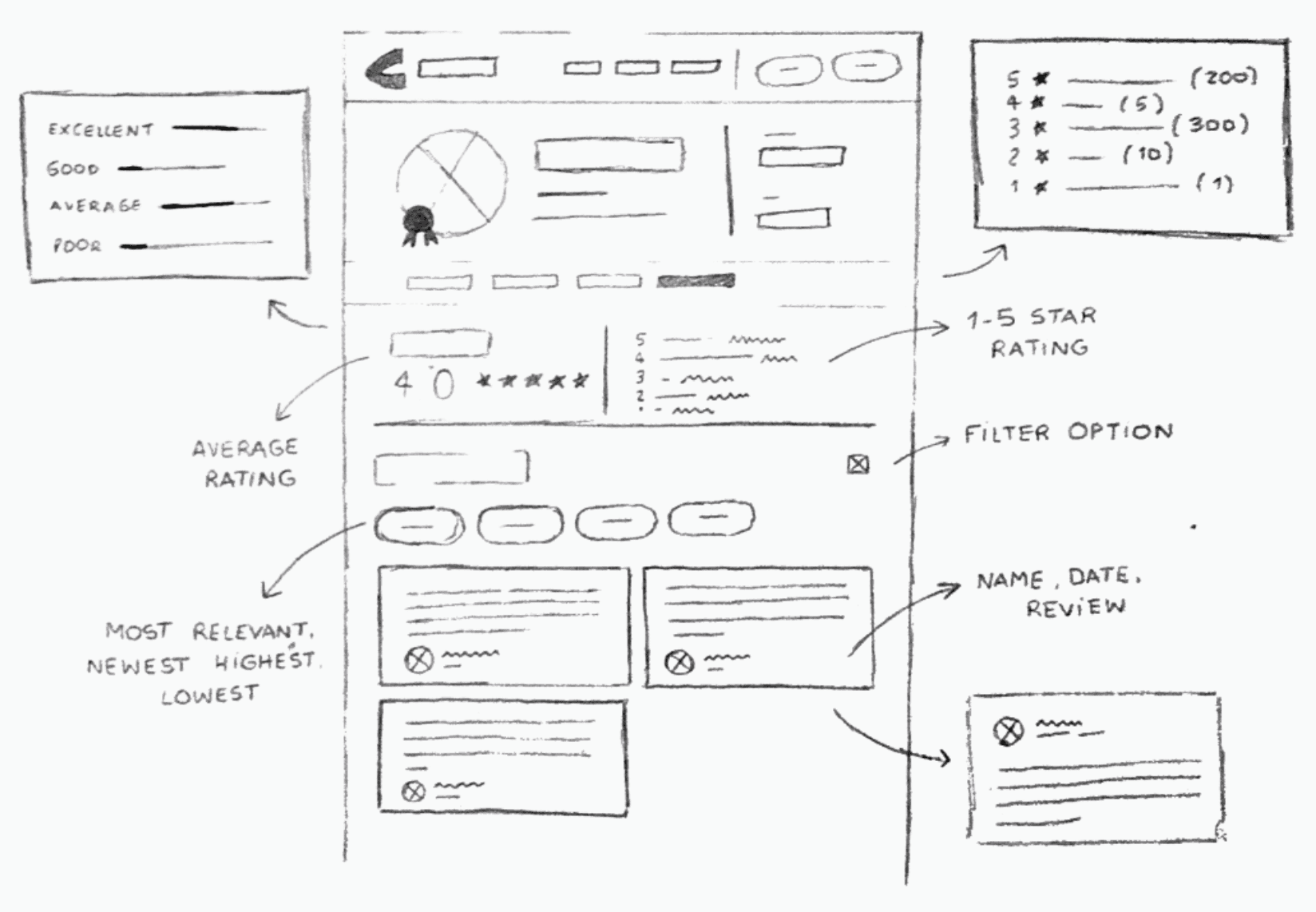
The redesign introduced a dedicated testimonial section on volunteer profiles, combining star ratings with written feedback. Key enhancements included:
Average rating and total projects completed displayed prominently.
Sorting and filtering options by project type, date, or rating.
A clear and visually appealing layout to encourage browsing.
Final Concept
The final design created a streamlined experience where non-profits could instantly assess volunteer credibility through ratings, satisfaction scores, and completion rates. Volunteers gained clear recognition for their contributions, and browsing was simplified with filters that allowed users to quickly find relevant testimonials.
Validating the Impact
A small A/B usability test compared the original flow with the redesign. The results showed:
Lessons Learned
Through this project, I learned the importance of designing for trust and how subtle changes in hierarchy, tone, and visual cues can shape credibility. I also gained deeper insight into balancing user and business needs, ensuring that both non-profits and volunteers benefit equally from the experience.